ഓം നമഃ ശിവായ

ഓം നമഃ ശിവായ
"ക൪മ്മണ്യേവാധികാരസ്തേ മാ ഫലേഷു കദാചനഃ മാ ക൪മ്മഫലഹേതു൪ഭൂ൪മാതേ സംഗോസ്ത്വക൪മ്മണി" നിനക്ക് ക൪മ്മം ചെയ്യുവാന് മാത്രമേ അധികാരമുള്ളൂ. ക൪മ്മത്തിന്റെ ഫലത്തില് ഒരിക്കലും ആശിക്കരുത്. ക൪മ്മഫലത്തില് സംശയാലുവായ നിനക്ക് ക൪മ്മം ചെയ്യാതിരിക്കാനുള്ള മനസ്സും ഉണ്ടാവരുത്.

Friday, November 4, 2016

ഹരിനാമകീര്‍ത്തനം. "തുഞ്ചത്ത്‌ രാമാനുജന്‍ എഴുത്തച്ഛന്‍"


ഓംകാരമായ പൊരുള്‍
മൂന്നായ്‌ പിരിഞ്ഞുടനെ-
യാങ്കാരമായതിനു താന്‍ തന്നെ സാക്ഷി, യു ബോധം വരുത്തുവതിനാളായി
നിന്ന പരമാചാര്യരൂപ ഹരി
നാരായണായ നമ:

ഒന്നായനിന്നെയിഹ രണ്ടെന്നു
കണ്ടളവിലുണ്ടായൊരിണ്ടല്‍ ബത മിണ്ടാവതല്ല മമ പണ്ടേക്കണക്കെ വരുവാന്‍ നിന്‍ കൃപാവലിക-ളുണ്ടാകയെങ്കലിഹ നാരായണായ നമ:

ആനന്ദചിന്മയ ഹരേ ഗോപികാരമണ
ഞാനെന്നഭാവമതു തോന്നായ്‌കവേണമിഹ
തോന്നുന്നതാകിലഖിലം ഞാനിതെന്ന വഴി
തോന്നേണമേ വരദ നാരായണായ നമ:

അര്‍ക്കാനലാദിവെളിവൊക്കെ ഗ്രഹിക്കുമൊരൊ കണ്ണിന്നു കണ്ണു മനമാകുന്ന കണ്ടതിനു കണ്ണായിരുന്ന പൊരുള്‍ താനെന്നുറയ്ക്കുമള-
വാനന്ദമെന്തു, ഹരി നാരായണായ നമ:

ഹരിനാമകീര്‍ത്തനമിതുര ചെയ്‌വതിന്നു ഗുരു വരുളാലെ ദേവകളുമരുള്‍ചെയ്ക ഭൂസുരരും
നരനായ്‌ ജനിച്ചു ഭുവി മരണം ഭവിപ്പളവു-
മുരചെയ്‌വതിന്നരുള്‍ക നാരായണായ നമ:

ശ്രീമൂലമായ പ്രകൃതീങ്കല്‍ തുടങ്ങി ജന-
നാന്ത്യത്തോളം പരമഹാമായ തന്റെ ഗതി
ജന്മങ്ങളും പല കഴിഞ്ഞാലുമില്ലവധി
കര്‍മ്മത്തിനും പരമനാരായണായ നമ:

ഗര്‍ഭസ്ഥനായ്‌ ഭുവി ജനിച്ചും, മരിച്ചു മുദ-
കപ്പോളപോലെ, ജനനാന്ത്യേന നിത്യഗതി
ത്വദ്‌ഭക്തി വര്‍ദ്ധനമുദിക്കേണമെന്‍ മനസി
നിത്യം തൊഴായ്‌വരിക നാരായണായ നമ:

ണത്താരില്‍ മാനിനി മണാളന്‍ പുരാണപുരു-
ഷന്‍ ഭക്തവത്സല,നനന്താദിഹീനനിതി
ചിത്തത്തിലച്യുത കളിപ്പന്തലിട്ടു വിള-
യാടീടുകെന്മനസി നാരായണായ നമ:

പച്ചക്കിളിപ്പവിഴപ്പാല്‍വര്‍ണ്ണമൊത്ത നിറ-
മിച്ഛിപ്പവര്‍ക്കു ഷഡാധാരം കടന്നുപരി-
വിശ്വസ്ഥിതി പ്രളയസൃഷ്ടിക്കു സത്വരജ-
സ്തമോഭേദരൂപ ഹരി നാരായണായ നമ:

തത്വത്തിനുള്ളിലുദയം ചെയ്തിടുന്ന പൊരു-
ളെത്തീടുവാന്‍ ഗുരു പദാന്തേ ഭജിപ്പവനു
മുക്തിക്കു തക്കൊരുപദേശം തരും ജനന-
മറ്റീടുമന്നവനു നാരായണായ നമ:

യെന്‍പാപമൊക്കെയറിവാന്‍ ചിത്രഗുപ്തനുടെ
സമ്പൂര്‍ണ്ണലിഖ്യതഗിരം കേട്ടു ധര്‍മ്മപതി
എന്‍പക്കലുള്ള ദുരിതം പാര്‍ത്തു കാണുമള-
വംഭോരുഹാക്ഷ ഹരി നാരായണായ നമ:

നക്ഷത്രപംക്തികളുമിന്ദുപ്രകാശവു-
മൊളിക്കും ദിവാകരനുദിച്ചങ്ങുയര്‍ന്നളവു
പക്ഷീഗണം ഗരുഡനെക്കണ്ടു കൈതൊഴുതു
രക്ഷിക്കയെന്നടിമ നാരായണായ നമ:

മത്‌പ്രാണനും പരനുമൊന്നെന്നുറപ്പവനു
തത്‌പ്രാണദേഹവുമനിത്യം കളത്രധനം
സ്വപ്‌നാദിയില്‍ ചിലതു കണ്ടിങ്ങുണര്‍ന്നവനൊ-
ടൊപ്പം ഗ്രഹിക്ക ഹരി നാരായണായ നമ:

അന്‍പേണമെന്മനസി ശ്രീനീലകണ്ഠഗുരു-
വംഭോരുഹാക്ഷമിതി വാഴ്ത്തുന്നു ഞാനുമിഹ,
അന്‍പത്തൊരക്ഷരവുമോരോന്നിതെന്മൊഴിയി-
ലമ്പോടു ചേര്‍ക്ക ഹരി നാരായണായ നമ:

ആദ്യക്ഷരത്തിലുളവായൊന്നിതൊക്കെയു, മി-
താദ്യക്ഷരത്തിലിതടങ്ങുന്നതും കരുതി
ആദ്യക്ഷരാലിവയിലോരോന്നെടുത്തു പരി-
കീര്‍ത്തിപ്പതിന്നരുള്‍ക നാരായണായ നമ:

ഇക്കണ്ട വിശ്വമതുമിന്ദ്രാദിദേവകളു-
മര്‍ക്കേന്ദുവഹ്നികളോടൊപ്പം ത്രിമൂര്‍ത്തികളും
അഗ്രേ വിരാട്‌പുരുഷ നിന്മൂലമക്ഷരവു-
മോര്‍ക്കായ്‌ വരേണമിഹ നാരായണായ നമ:

ഈ വന്ന മോഹമകലെപ്പോവതിന്നു പുന-
രീവണ്ണമുള്ളൊരുപദേശങ്ങളില്ലുലകില്‍
ജീവന്നു കൃഷ്ണ ഹരി ഗോവിന്ദ രാമ തിരു-
നാമങ്ങളൊന്നൊഴികെ, നാരായണായ നമ:

ഉള്ളില്‍ക്കനത്ത മദമാത്സര്യമെന്നിവക-
ളുള്ളോരു കാലമുടനെന്നാകിലും മനസി
ചൊല്ലുന്നതാരു തിരു നാമങ്ങളന്നവനു
നല്ലൂ ഗതിക്കു വഴി നാരായണായ നമ:

ഊരിന്നുവേണ്ട ചില ഭാരങ്ങള്‍ വേണ്ടതിനു
നീരിന്നു വേണ്ട നിജദ്വാരങ്ങള്‍ വേണ്ടതിനു
നാരായണാച്യുത ഹരേ എന്നതിന്നൊരുവര്‍
നാവൊന്നേ വേണ്ടൂ ഹരി നാരായണായ നമ:

ഋതുവായ പെണ്ണിന്നുമിരപ്പന്നും ദാഹകനും
പതിതന്നുമഗ്നിയജനം ചെയ്ത ഭൂസുരനും
ഹരിനാമകീര്‍ത്തനമിതൊരുനാളുമാര്‍ക്കുമുട-
നരുതാത്തതല്ല, ഹരി നാരായണായ നമ:

ഋഔഭോഷനെന്നു ചിലര്‍ ഭാഷിക്കിലും ചിലര്‍ ക-
ളിപ്പാപിയെന്നു പറയുന്നാകിലും മനസി
ആവോ നമുക്കു തിരിയാ എന്നുറച്ചു തിരു-
നാമങ്ങള്‍ ചൊല്‍ക ഹരി നാരായണായ നമ:

ലുത്സ്‌മാദി ചേര്‍ത്തൊരു പൊരുത്തം നിനക്കിലുമി-
തജിതന്റെ നാമഗുണമതിനിങ്ങു വേണ്ട ദൃഢം
ഒരു കോടി കോടി തവ തിരുനാമമുള്ളവയി-
ലരുതാത്തതില്ല ഹരി നാരായണായ നമ:

ലൂകാരമാദി മുതലായിട്ടു ഞാനുമിഹ
കൈകൂപ്പി വീണുടനിരക്കുന്നു നാഥനൊടു
ഏകാന്തഭക്തിയകമേ വന്നുദിപ്പതിനു
വൈകുന്നതെന്തു ഹരി നാരായണായ നമ:

എണ്ണുന്നു നാമജപരാഗാദിപോയിടുവാ-
നെണ്ണുന്നിതാറുപടി കേറിക്കടപ്പതിനു
കണ്ണും മിഴിച്ചവനിരിക്കുന്നൊരേ നിലയി-
ലെണ്ണാവതല്ല ഹരി നാരായണായ നമ:

ഏകാന്തയോഗികളിലാകാംക്ഷകൊണ്ടു പര-
മേകാന്തമെന്ന വഴി പോകുന്നിതെന്‍ മനവും
കാകന്‍ പറന്നു പുനരന്നങ്ങള്‍ പോയ വഴി
പോകുന്നപോലെ ഹരി നാരായണായ നമ:

ഐയ്യഞ്ചുമഞ്ചുമുടനയ്യാറുമെട്ടുമുട-
നവ്വണ്ണമെട്ടുമുടനെണ്‍മൂന്നുമേഴുമഥ
ചൊവ്വോടരഞ്ചുമപി രണ്ടൊന്നു തത്ത്വമതില്‍
മേവുന്ന നാഥ ഹരി നാരായണായ നമ:

ഒന്നിന്നു തത്ത്വമിതു ദേഹത്തിനൊത്തവിധ-
മെത്തുന്നിതാര്‍ക്കുമൊരുഭേദം വരാതെ ഭുവി
മര്‍ത്ത്യന്റെ ജന്‍മനില പാപം വെടിഞ്ഞിടുകി-
ലെത്തുന്നു മോക്ഷമതില്‍ നാരായണായ നമ:

ഓതുന്നു ഗീതകളിതെല്ലാമതെന്ന പൊരുള്‍
ഏതെന്നു കാണ്‍മതിനു പോരാ മനോബലവും
ഏതെങ്കിലും കിമപി കാരുണ്യമിന്നു തവ
സാധിക്കവേണ്ടു ഹരി നാരായണായ നമ:

ഔദംബരത്തില്‍ മശകത്തിന്നു തോന്നുമതിന്‍
മീതേ കദാപി സുഖമില്ലെന്നു തത്‌പരിചു
ചേതോവിമോഹിനി മയക്കായ്‌ക മായ തവ
ദേഹോ'ഹമെന്ന വഴി നാരായണായ നമ:

അംഭോജസംഭവനുമമ്പോടു നീന്തി ബത
വന്‍മോഹവാരിധിയിലെന്നേടമോര്‍ത്തു മമ
വന്‍പേടി പാരമിവനമ്പോടടായ്‌വതിനു
മുമ്പേ തൊഴാമടികള്‍ നാരായണായ നമ:

അപ്പാശവും വടിയുമായ്‌ക്കൊണ്ടജാമിളനെ
മുല്‍പ്പാടു ചെന്നു കയറിട്ടോരു കിങ്കരരെ
പില്‍പ്പാടു ചെന്നഥ തടുത്തോരു നാല്‍വരേയു-
മപ്പോലെ നൌമി ഹരി നാരായണായ നമ:

കഷ്ടം ഭവാനെയൊരു പാണ്ഡ്യന്‍ ഭജിച്ചളവ-
ഗസ്‌ത്യേന നീ ബത ശപിപ്പിച്ചതെന്തിനിഹ
നക്രേണ കാല്‍ക്കഥ കടിപ്പിച്ചതെന്തിനിതു-
മോര്‍ക്കാവതല്ല ഹരി നാരായണായ നമ:

ഖട്വാംഗനെന്ന ധരണീശന്നു കാണ്‍കൊരുമു-
ഹൂര്‍ത്തേന നീ ഗതി കൊടുപ്പാനുമെന്തു വിധി?
ഒട്ടല്ല നിന്‍കളികളിപ്പോലെ തങ്ങളില്‍ വി-
രുദ്ധങ്ങളായവകള്‍ നാരായണായ നമ:

ഗര്‍വ്വിച്ചു വന്നൊരു ജരാസന്ധനോടു യുധി-
ചൊവ്വോടു നില്‍പ്പതിനു പോരാ നിനക്കു ബലം
അവ്വാരിധൌ ദഹനബാണം തൊടുത്തതു തി-
ളപ്പിപ്പതിന്നു മതി നാരായണായ നമ:

ഘര്‍മ്മാതപം കുളിര്‍നിലാവെന്നു തമ്പിയൊടു
ചെമ്മേ പറഞ്ഞു നിജപത്നീം പിരിഞ്ഞളവു-
തന്നെത്തിരഞ്ഞു മറുകിച്ചാ മൃഗാക്ഷികളെ
വൃന്ദാവനത്തിലഥ നാരായണായ നമ:

ങാനം കണക്കെയുടനഞ്ചക്ഷരങ്ങളുടെ-
യൂനം വരുത്തിയൊരു നക്തഞ്ചരിക്കു ബത
കൂനോരു ദാസിയെ മനോജ്ഞാംഗിയാക്കിയതു-
മൊന്നല്ലെയാളു, ഹരി നാരായണായ നമ:

ചമ്മട്ടി പൂണ്ടു കടിഞ്ഞാണും മുറുക്കിയുട-
നിന്ദ്രാത്‌മജന്നു യുധി തേര്‍പൂട്ടി നിന്നു ബത
ചെമ്മേ മറഞ്ഞൊരു ശരം കൊണ്ടു കൊന്നതുമൊ-
രിന്ദ്രാത്‌മജന്നെ , ഹരി നാരായണായ നമ:

ഛന്നത്വമാര്‍ന്ന കനല്‍പോലെ നിറഞ്ഞുലകില്‍
മിന്നുന്ന നിന്‍മഹിമയാര്‍ക്കും തിരിക്കരുത്‌
അന്നന്നുകണ്ടതിനെ വാഴ്ത്തുന്നു മാമുനിക-
ളെന്നത്രേ തോന്നി ഹരി നാരായണായ നമ:

ജന്തുക്കളുള്ളില്‍ വിലസീടുന്ന നിന്നുടയ
ബന്ധം വിടാതെ പരിപൂര്‍ണ്ണാത്‌മനാ സതതം
തന്തും മണിപ്രകരഭേദങ്ങള്‍പോലെ പര-
മെന്തെന്തു ജാതമിഹ നാരായണായ നമ:

ഝംകാരനാദമിവ യോഗീന്ദ്രരുള്ളിലുമൊ-
രോതുന്ന ഗീതകളിലും പാല്‍പയോധിയിലും
ആകാശവീഥിയിലുമൊന്നായ്‌ നിറഞ്ഞരുളു-
മാനന്ദരൂപ, ഹരി നാരായണായ നമ:

ഞാനെന്നുമീശ്വരനിതെന്നും വളര്‍ന്നളവു
ജ്ഞാനദ്വയങ്ങള്‍ പലതുണ്ടാവതിന്നു ബത-
മോഹം നിമിത്തമതു പോകും പ്രകാരമിതു
ചേതസ്സിലാക മമ നാരായണായ നമ:

ടങ്കം കുരംഗവുമെടുത്തിട്ടു പാതിയുടല്‍
ശംഖും രഥാംഗവുമെടുത്തിട്ടു പാതിയുടല്‍
ഏകാക്ഷരം തവഹി രൂപം നിനപ്പവനു
പോകുന്നു മോഹവഴി നാരായണായ നമ:

ഠായങ്ങള്‍ ഗീതമിവ നാദപ്രയോഗമുട-
നേകശ്രുതീങ്കലൊരു മിന്നല്‍കണക്കെയുമി-
തേകാക്ഷരത്തിലൊരുമിക്കുന്നപോലെയുമി-
താകാശസൂക്ഷ്മതനു നാരായണായ നമ:

ഡംഭാദിദോഷമുടനെട്ടും കളഞ്ഞു ഹൃദി
മുമ്പേ നിജാസനമുറച്ചേകനാഡിയുടെ
കമ്പം കളഞ്ഞു നിലയാറും കടപ്പതിനു
തുമ്പങ്ങള്‍ തീര്‍ക്ക ഹരി നാരായണായ നമ:

ഢക്കാമൃദംഗതുടിതാളങ്ങള്‍പോലെയുട-
നോര്‍ക്കാമിതന്നിലയിലിന്നേടമോര്‍ത്തു മമ
നില്‍ക്കുന്നതല്ല മനമാളാനബദ്ധകരി
തീന്‍കണ്ടപോലെ ഹരി നാരായണായ നമ:

ണത്വാപരം പരിചു കര്‍മ്മവ്യപായമിഹ
മദ്ധ്യേഭവിക്കിലുമതല്ലെങ്കിലും കിമപി
തത്ത്വാദിയില്‍ പരമുദിച്ചോരു ബോധമതു
ചിത്തേ വരേണ്ടതിഹ നാരായണായ നമ:

തത്ത്വാര്‍ത്ഥമിത്ഥമഖിലത്തിന്നുമൊന്നു ബത
ശബ്ദങ്ങളുള്ളില്‍ വിലസീടുന്ന നിന്നടിയില്‍
മുക്തിക്കു കാരണമിതേ ശബ്ദമെന്നു, തവ
വാക്യങ്ങള്‍ തന്നെ ഹരി നാരായണായ നമ:

ഥല്ലിന്നുമീതെ പരമില്ലെന്നുമോര്‍ത്തുമുട-
നെല്ലാരൊടും കുതറി, വാപേശിയും സപദി
തള്ളിപ്പുറപ്പെടുമഹംബുദ്ധികൊണ്ടു ബത
കൊല്ലുന്നു നീ ചിലരെ നാരായണായ നമ:

ദംഭായ വന്‍മരമതിന്നുള്ളില്‍ നിന്നു ചില
കൊമ്പും തളിര്‍ത്തവധിയില്ലാത്ത കായ്‌കനികള്‍
അന്‍പോടടുത്തരികില്‍ വാഴായ്‌വതിന്നു ഗതി
നിന്‍പാദഭക്തി ഹരി നാരായണായ നമ:

ധന്യോഹമെന്നുമതിമാന്യോഹമെന്നു മതി-
പുണ്യങ്ങള്‍ ചെയ്ത പുരുഷന്‍ ഞാനിതെന്നുമിതി
ഒന്നല്ല കാണ്‍കൊരു കൊടുങ്കാടു ദന്തിമയ-
മൊന്നിച്ചുകൂടിയതു നാരായണായ നമ:

നന്നായ്‌ഗതിക്കൊരു സഹസ്രാരധാരയില-
തന്നീറ്റില്‍ നിന്‍ കരുണ വന്‍മാരി പെയ്തു പുനര്‍
മുന്നം മുളച്ച മുള ഭക്തിക്കു വാഴ്ത്തുവതു-
മിന്നേ കൃപാനിലയ നാരായണായ നമ:

പലതും പറഞ്ഞു പകല്‍ കളയുന്ന നാവു തവ
തിരുനാമകീര്‍ത്തനമിതതിനായ്‌ വരേണമിഹ
കലിയായ കാലമിതിലതുകൊണ്ടു മോക്ഷഗതി
എളുതെന്നു കേള്‍പ്പു ഹരി നാരായണായ നമ:

ഫലമില്ലയാതെ മമ വശമാക്കൊലാ ജഗതി
മലമൂത്രമായ തടി പലനാളിരുത്തിയുടന്‍
അളവില്ലയാതെ വെളിവകമേയുദിപ്പതിനു
കളയാതെ കാലമിഹ നാരായണായ നമ:

ബന്ധുക്കളര്‍ത്ഥഗൃഹപുത്രാദി ജന്‍മമതില്‍
വര്‍ദ്ധിച്ചുനിന്നുലകില്‍ നിന്‍ തത്വമോര്‍ക്കിലുമി-
തന്ധന്നു കാട്ടിയൊരു കണ്ണാടി പോലെ പുന-
രെന്നാക്കിടൊല്ല ഹരി നാരായണായ നമ:

ഭക്ഷിപ്പതിന്നു ഗുഹപോലെ പിളര്‍ന്നു മുഖ-
മയ്യോ, കൃതാന്തനിഹ പിമ്പേ നടന്നു മമ
എത്തുന്നു ദര്‍ദുരമുരത്തോടെ പിമ്പെയൊരു
സര്‍പ്പം കണക്കെ ഹരി നാരായണായ നമ:

മന്നിങ്കല്‍ വന്നിഹ പിറന്നന്നുതൊട്ടു പുന-
രെന്തൊന്നു വാങ്‌മനസുകായങ്ങള്‍ ചെയ്‌തതതു-
മെന്തിന്നിമേലിലതുമെല്ലാം നിനക്കു ഹൃദി
സന്തോഷമായ്‌ വരിക നാരായണായ നമ:

യാതൊന്നു കാണ്‍മതതു നാരായണപ്രതിമ
യാതൊന്നു കേള്‍പ്പതതു നാരായണശ്രുതികള്‍
യാതൊന്നു ചെയ്‌വതതു നാരായണാര്‍ച്ചനകള്‍
യാതൊന്നതൊക്കെ ഹരി നാരായണായ നമ:

രവികോടി തുല്യമൊരു ചക്രം കരത്തിലിഹ
ഫണിരാജനെപ്പൊഴുമിരിപ്പാന്‍ കിടപ്പതിനും
അണിയുന്നതൊക്കെ വനമാലാദികൌസ്‌തുഭവു-
മകമേ ഭവിപ്പതിനു നാരായണായ നമ:

ലക്ഷം പ്രകാരമൊടു സൃഷ്ടിപ്പതിന്നുമതു
രക്ഷിപ്പതിന്നുമതു ശിക്ഷിപ്പതിന്നുമിഹ
വിക്ഷേപമാവരണമീ രണ്ടു ശക്തികള-
തിങ്കേന്നുദിച്ചു ഹരി നാരായണായ നമ:

വദനം നമുക്കു ശിഖി, വസനങ്ങള്‍ സന്ധ്യകളു-
മുദരം നമുക്കുദധിയുലകേഴു രണ്ടുമിഹ
ഭവനം നമുക്കു ശിവനേത്രങ്ങള്‍ രാത്രിപകല്‍
അകമേ ഭവിപ്പതിനു നാരായണായ നമ:

ശക്തിക്കു തക്ക വഴിയിത്ഥം ഭജിപ്പവനെ
ഭക്ത്യാവിദേഹദൃഢവിശ്വാസമോടുമഥ
ഭക്ത്യാ കടന്നു തവ തൃക്കാല്‍പിടിപ്പതിന-
യയ്‌ക്കുന്നതെന്നു ഹരി നാരായണായ നമ:

ഷഡ്‌വൈരികള്‍ക്കു വിളയാട്ടത്തിനാക്കരുതു-
ചിത്താംബുജം തവഹി സന്ധാനരംഗമതു
തത്രാപി നിത്യവുമൊരിക്കലിരുന്നരുള്‍ക
ചിത്താംബുജേ മമ ച നാരായണായ നമ:

സത്യം വദാമി മമ ഭൃത്യാദിവര്‍ഗ്ഗമതു-
മര്‍ത്ഥം കളത്രഗൃഹപുത്രാദിജാലമതും
ഒക്കെ ത്വദര്‍പ്പണമതാക്കീട്ടു ഞാനുമിഹ
തൃക്കാല്‍ക്കല്‍ വീണു ഹരി നാരായണായ നമ:

ഹരിയും വിരിഞ്ചനുമിതമരാധിനായകനു-
മറിയുന്നതില്ല തവ മറിമായതന്‍ മഹിമ
അറിവായ്‌ മുതല്‍ കരളിലൊരുപോലെ നിന്നരുളും
പര, ജീവനില്‍ തെളിക നാരായണായ നമ:

ളത്വം കലര്‍ന്നിതു ലകാരത്തിനപ്പരിചു
തത്ത്വം നിനയ്‌ക്കിലൊരു ദിവ്യത്വമുണ്ടു ബത
കത്തുന്ന പൊന്‍മണിവിളക്കെന്നപോലെ ഹൃദി
നില്‍ക്കുന്ന നാഥ ഹരി നാരായണായ നമ:

ക്ഷരിയായൊരക്ഷരമതിങ്കേന്നുദിച്ചതിതു
ലിപിയേഴുമക്ഷരമിതെന്നങ്ങുരപ്പു ജനം
അറിയാവതല്ല തവ പരമാക്ഷരസ്യ പൊരുള്‍
അറിയായുമായ്‌ വരിക നാരായണായ നമ:

കരുണാപയോധി മമ ഗുരുനാഥനിസ്‌തുതിയെ
വിരവോടു പാര്‍ത്തു പിഴ വഴിപോലെ തീര്‍ത്തരുള്‍ക
ദുരിതാബ്‌ധിതന്‍ നടുവില്‍മറിയുന്നവര്‍ക്കു പര-
മൊരുപോതമായ്‌ വരിക നാരായണായ നമ:

മദമത്സരാദികള്‍ മനസ്സില്‍ തൊടാതെ ദിന-
മിതുകൊണ്ടു വാഴ്‌ത്തുക നമുക്കും ഗതിക്കു വഴി
ഇതു കേള്‍ക്കതാനിതൊരു മൊഴി താന്‍ പഠിപ്പവനും
പതിയാ ഭാവംബുധിയില്‍ നാരായണായ നമ:

നാരായണായ നമ: നാരായണായ നമ:
നാരായണാ സകലസന്താപനാശന
ജഗന്നാഥ വിഷ്‌ണു ഹരി നാരായണായ

Thursday, November 3, 2016

ഗോവിന്ദ രാമ രാമ – ഗോപാല കൃഷ്ണാ നിന്‍ മെയ്

​ഗോവിന്ദ രാമ രാമ – ഗോപാല കൃഷ്ണാ നിന്‍ മെയ്

കാണുമാറരുളേണം ഗോവിന്ദാ!
അമ്പാടി തന്നില്‍ വാഴും ഉമ്പര്‍നായക നിന്മെയ്

അന്‍പിനാല്‍ കാണകേണം ഗോവിന്ദാ! (ഗോവിന്ദ രാമ രാമ …)
ആവോളം പൂക്കുന്നേന്‍ ഞാന്‍ ദേവകി ദേവി പെറ്റ

ദേവേശ ദേവ ദേവ ഗോവിന്ദാ! (ഗോവിന്ദ രാമ രാമ …)
ഇച്ഛയില്‍ എനിക്കിനി ത്വച്ചരണങ്ങളൊഴിഞ്ഞു

അചുത മറ്റൊന്നിങ്കല്‍ ഗോവിന്ദാ! (ഗോവിന്ദ രാമ രാമ …)
ഈരേഴുലകമെല്ലാം ഈരടിയാലളന്ന

ഈശനേ വാമനനേ ഗോവിന്ദാ! (ഗോവിന്ദ രാമ രാമ …)
ഉള്ളത്തില്‍ കാണാകേണം മുല്ലപ്പൂംകുഴലാളേ

ഉള്ളഴിക്കുന്ന നിന്‍ മെയ് ഗോവിന്ദാ! (ഗോവിന്ദ രാമ രാമ …)
ഊതുന്ന കുഴലുമായ് പീതാംബരത്തോടെന്റെ

ചേതസ്സില്‍ കാണാകേണം ഗോവിന്ദാ! (ഗോവിന്ദ രാമ രാമ …)
എന്നു രണ്ടായിരം മയ്യണിമാര്‍ പൂജിക്കുന്ന

നിന്നെ ഞാന്‍ കണ്ടിടാവൂ ഗോവിന്ദാ! (ഗോവിന്ദ രാമ രാമ …)
ഏണാങ്കണ്‍ തന്നെ വെല്ലും ചേണാര്‍ന്ന തിരുമുഖം

ചേദസ്സില്‍ കാണാകേണം ഗോവിന്ദാ! (ഗോവിന്ദ രാമ രാമ …)
ഐശ്വര്യ ദായകനേ കൈയിതാ കൂപ്പുന്നേ ഞാന്‍

നീയൊഴിഞ്ഞില്ലാ ഗതി ഗോവിന്ദാ! (ഗോവിന്ദ രാമ രാമ …)
ഒന്നിടവിട്ടു ഗോപ സുന്ദരിമാരോടൊപ്പം

ഒന്നിച്ചു കളിച്ചൊരു ഗോവിന്ദാ! (ഗോവിന്ദ രാമ രാമ …)
ഓരോരോ ലീലപൂണ്ടു കാരുണ്യം കൊണ്ടു ധര്‍മ്മം

പാലിച്ചു വസിച്ചൊരു ഗോവിന്ദാ! (ഗോവിന്ദ രാമ രാമ …)
ഔഷധി മേനി പൂണ്ട വൃന്ദാവനത്തിലെല്ലാം

ഘോഷമായ് ലീല ചെയ്ത ഗോവിന്ദാ! (ഗോവിന്ദ രാമ രാമ …)
അംബുജ നാഭ കൃഷ്ണ ശംഭു പൂജിത ദേവ

അന്‍പിനാല്‍ കാണാകേണം ഗോവിന്ദാ! (ഗോവിന്ദ രാമ രാമ …)
അച്യുത നിന്‍ ചരിത്രം അത്ഭുതം ദിനം തോറും

ഉച്ചരിക്കാറായ് വരേണം ഗോവിന്ദാ! (ഗോവിന്ദ രാമ രാമ …)

ഈശ്വരൻ രണ്ടവസരങ്ങളിൽ ചിരിക്കുമത്രേ?

Hare Krishna!

ഈശ്വരൻ രണ്ടവസരങ്ങളിൽ ചിരിക്കുമത്രേ? 
പേടിക്കേണ്ട നിന്റെ രോഗം ഞാൻ മാറ്റി തരും എന്ന് ഡോക്ടെർ രോഗിയോട് പറയുമ്പോൾ ഈശ്വരൻ ചിരിക്കുമത്രേ? പാവം, ആ ഡോക്റ്ററുടെ ജീവൻ തന്നെ എടുക്കാൻ ഞാൻ തീരുമാനിച്ചു കഴിഞ്ഞു..... എന്നിട്ടും ആ ഡോക്റ്റർ തന്നെ പറയുന്നത് കേട്ടില്ലേ?


രണ്ടാമത്തെ അവസരം.... "എന്റെ " , "അല്ല ,ഇതെന്റെ " എന്നിങ്ങനെ ഭൂമി പങ്കു വെയ്ക്കാൻ സഹോദരങ്ങൾ തമ്മിൽ വഴക്ക് കൂടുമ്പോഴും ഈശ്വരൻ ചിരിക്കുമത്രേ? കാരണം, പ്രപഞ്ചം മുഴുവൻ ഈശ്വരൻറ്റെതല്ലേ ? ഇതിനു മുമ്പ് എത്രയോ പേർ ഈ സ്ഥലം തൻറ്റെതാണെന്ന് പറഞ്ഞു വഴക്ക് കൂയിയിരുന്നു... ഇന്ന് അവരെല്ലാം എവിടെ,,,,

ഈ പ്രപഞ്ചം മുഴുവനും ഈശ്വരമയമാണു. ഈശ്വരനാൽ നിറഞ്ഞിരിക്കുകയാണ് ഇവിടെ . ഈശ്വരാംശമല്ലാതെ യാതൊന്നും ഇവിടെയില്ല . ഇവിടെയുള്ളതൊന്നും നമുക്ക് സ്വന്തമെന്ന് പറയാനുമാവില്ല . ബന്ധുജനങ്ങള്‍ , സ്വത്ത് എന്നു മാത്രമല്ല നമ്മുടേതെന്നു പറയുന്ന ശരീരം പോലും നമ്മുടേതല്ല . ആ സത്യം മനസ്സിലാക്കുന്നവരാണ് ജ്ഞാനികള്‍ . ഈ സത്യം മനസ്സിലാക്കി എല്ലാം ത്യജിക്കുമ്പോൾ ഈശ്വരനോടടുക്കുന്നു . ത്യജിക്കുകയെന്നാല്‍ സ്വത്ത്, മക്കള്‍‍‍ , മാതാപിതാക്കള്‍ , മറ്റു ബന്ധുജനങ്ങള്‍ , ഗുരുക്കന്‍മാര്‍ എന്നിവയെല്ലാം ഉപേക്ഷിക്കുകയെന്നല്ല അര്‍ത്ഥമാക്കുന്നത് . ഈ ലോകത്തിലുള്ളതെല്ലാം ഈശ്വരന്‍റേതാണ്. അത് നമുക്കാസ്വദിക്കാന്‍ അവകാശവുമുണ്ട്. എന്നാല്‍ എല്ലാം നമ്മുടേത് മാത്രമാണെന്ന തോന്നല്‍ അരുത്. നമുക്കുള്ളതുപോലെത്തന്നെ മറ്റുള്ളവര്‍ക്കും അവകാശമുണ്ടെന്നും അവര്‍ക്കും അനുഭവിക്കേണ്ടതാണെന്നും മനസ്സിലാക്കുക . നമ്മുടെ മാത്രം എല്ലാം സ്വന്തമാക്കുമ്പോൾ അതില്‍ മറ്റുള്ളവരുടെ അവകാശം നിഷേധിക്കുകയാണ് ചെയ്യുന്നത്. ഈ ലോകം എല്ലാവര്‍ക്കും ആസ്വദിക്കുവാനുള്ളതാണ് . മറ്റുള്ളവരുടെ അവകാശം നിഷേധിച്ച് നമുക്കു മാത്രമായി മാറ്റിവക്കുകയാണ് സ്വന്തമാക്കുന്നതിലൂടെ ചെയ്യുന്നത്. ത്യാഗമനോഭാവത്തോടെയാകണം നമ്മള്‍ വിഭവങ്ങള്‍ ആസ്വദിക്കുന്നത്. ഈ പ്രപഞ്ചത്തില്‍ എല്ലായിടത്തും നിറഞ്ഞിരിക്കുന്നത് ഒരേ ശക്തിയാണ്. ഈ പ്രപഞ്ചത്തിലെ വിഭവങ്ങള്‍ ഏതൊരു ജീവിക്കും അനുഭവിക്കാന്‍ അവകാശപ്പെട്ടതാണ്. മറ്റാരെയും പോലെ അത് നമുക്കും ആസ്വദിക്കാം ....
Amma!!

The Science of Meditation by Prem Nirmal


"1) What is Meditation?
Meditation is the freedom from thought, a state of no-mind. It is a state of pure consciousness with no contents. It is the activation of natural 'seeing' activity, of the 'Self' or Consciousness. It is the finest way to increase one's personal energy by getting connected to the Source.
Meditation is a key to unlock the mystery of existence. It is a method par excellence, to go into altered states of consciousness, wherein it is possible to perceive alternate frequency universes, which are all simultaneously co-existing.
Meditation is easy and not at all difficult. It is a knack, which can be mastered with the help of regular practice.
Meditation begins basically with "Anapanasati", which means to keep one's total attention and awareness only on one's normal breathing process. In Pali language, in which Buddha talked, 'Ana' means 'In-breath', 'Apana' means 'Out-breath', 'Sati' means 'To be one with'. Meditation is neither 'prayer', nor 'chanting' nor 'contemplation'. No 'mantra' is to be chanted, no form of 'deity' or outside 'Guru' is to be entertained, nor any 'pranayama' practice like holding one's breath i.e. 'kumbhaka' should be attempted during meditation.

2) Why to Meditate? 
Meditation takes you…
From Tension to Attention
From Stressfulness to Gracefulness
From Illness to Health 
From Fearfulness to Fearlessness
From Dullness to Sharpness
From Rigidity to Flexibility
From Discontentment to Contentment
From Restlessness to Tranquility
From Complexity to Simplicity
From Fragmentation to Integrity
From Separatism to Unity
From Vanity to Sanity 
From Warfare to Lovefare 
From Ownership to Trusteeship
From Loneliness to Aloneness (All-Oneness)
From Misery to Bliss From Bondage to Liberation 
From Indifference to Compassion 
From Self-importance to Self-less-ness 
From Competition to Co-operation
In short, from Disorderliness to Orderliness in every walk of life!
ALL THIS JUST FROM SIMPLE MEDITATION! 

3) When And How of Meditation
Meditation should be undertaken regularly and for a minimum of twenty minutes to one hour every day. Time can be increased further as you proceed.
Meditation at the same time of the day and at the same place is good to begin with. As you start understanding that it is the inner state that is important, any time and any place is okay for meditation.
Meditation can be done in any comfortable sitting posture, keeping the spine erect, as far as possible. Legs crossed or folded, hands should be clasped and eyes to be closed. This helps in harnessing the energy within by avoiding the drainage or the outward flow of energy.
Routine wanderings of the mind should be cut right away, as and when they arise, and attention should constantly be brought back to the chosen work at hand, i.e. consciously observing the breath.
Instead of thinking too much about how to start and when to start, simply observe your breath and you have begun your journey in meditation!

4) What Are the Different Stages to the State of Meditation?
Meditation means to be in thoughtless state with full awareness. Just for the purpose of preliminary understanding, various progressive stages of meditation can be seen as:
You begin with conscious observance of natural breathing process. This is known as "Anapanasati". (Controlling or manipulation of breathing process is not necessary.) In case of thought taking away your attention from breathing process, come back to observing breath without fighting with thought.
In the next stage include your heartbeats in your awareness along with breathing process. This is two-point awareness. Next bring about the awareness of entire body along with breathing process. This is known as "Kayanupassana". Here you are aware of every happening inside your body.
In the next stage increase your awareness further to include all the sounds of outer as well as inner world. Let your awareness become more intense and broader as well. Let it grow to multi-point awareness, meaning - being conscious of many aspects "at a time". e.g. You are conscious of your breath, your heartbeats, your body sensations, various sounds inside as well as outside. You are also aware of the air touching your skin, various fragrances in the room etc. By just being rooted into this state, the third eye opens on its own accord and you start seeing the things directly. This is known as "Vipassana", the "Special Seeing". Many Meditators have reported various experiences of this stage, known as third eye experiences.
With witnessing of thoughts and further sharpening of this awareness, getting rooted into no-thought state becomes easy. With this the energy reservoir builds up, as there is no dissipation of energy by thought mind. Just by staying more and more into this state, the energy build up goes to peak and it falls back upon itself. This is the enlightenment experience, the awareness becoming aware of itself. With this multi-dimensional awareness becomes possible and you can see various frequency universes (Etheric, Astral, Causal etc.) which are all simultaneously co-existing, with your 'poly-vision'. This brings about the understanding of various different frequency universes, gross, subtler as well as subtlest. You understand all these 'consensus realities' as temporary illusive phenomena and discard all these experiences of the past and remain rooted totally in the present moment. This is "Nibbanna" or Nirvana, the desire-less state.
Higher the intensity, less is the time required to progress in meditation'. . . . . . Cont.

The Soul

In one of our ancient scriptures this question is raised :" Will the soul be experienced only by those who believe in a soul, at the time when the mortal coil is discarded ?". The answer is an emphatic "No". "Every one irrespective of whether he believes in a soul or not will realize at the time of death that S/He is a soul and death is not the end. It is only a transformation from the material to the spiritual".
Srimad Bagawatham offers detailed description of the soul. "The soul is not the pancha bhutas. It is not even the pancha thanmatras. The soul is not the three gunas . . . . . . ."  and so forth.
Our ancient rishis had an intense urge to search for God and hence they left their homesteads and took refuge in deep forests or lonely valleys. Thus was born the Rishi Samskrithi.  Its continuation is seen even today in the tens of thousands of Ashrams spread throughout India. The GarudaPuranam describes the journey of the soul after death. 
"As per Garuda Puran, the person who is going to die can’t speak, even if he wants to. In his last moments of life, drivyadrishti generates within him and he is able to understand the entire world. All his senses get destroyed and he is unable to move and goes stiff. . . . . ."
Bagawath Geetha also describes the journey of the soul. 


Vedas assert that we are souls. The Upanishads further amplify this idea. " Having known that by knowing which every thing to be known is known" is an Upanishadic reference to the self or the soul. The soul is an energy body for the lack of a better English word. "Chaithanyam Atma" is a very apt explanation. One may rightfully ask "How can we be sure of the correctness of such explanations ?". The Rishis were able to access Transcendental knowledge through the Samadhi state attained through their meditation. 
In recent times Modern Science had taken up the research about the survival of the human consciousness after physical death. There are 8 million Near Death Experiencers in the US alone. A person dies, no heart beat, no pulse, no breathing. If they are in a hospital in critical care, then all the instruments connected to them to monitor their bodily functions all go flat, hence they are also called Flatliners. Hundreds of such people who experienced death and came back are offering their experiences through books, articles and public speaking. The following two web sites offer first hand experiences. 


In a hospital in Switzerland in 1944, the world-renowned psychiatrist Carl G. Jung, had a heart attack and then a near-death experience. His vivid encounter with the light, plus the intensely meaningful insights led Jung to conclude that his experience came from something real and eternal. Jung's experience is unique in that he saw the Earth from a vantage point of about a thousand miles above it. His incredibly accurate view of the Earth from outer space was described about two decades before astronauts in space first described it. 
Before ending I will share this information that few of the quantum physicists say that the human consciousness survives physical death as per quantum mechanics.

Sriman Narayanan by M.S.Subbalakshmi


I am attaching a beautiful song Sriman Narayanan by Sri.M.S.Subbal;akshmy. There are are dozens of photographs of Guruvayur temple shown as background to this song.

__,_._,___

ഹിന്ദുധര്‍മ്മ പരിചയം.

എന്താണ് ഹിന്ദുമതം എന്നു ഹിന്ദുക്കള്‍ക്ക് പരിചയപ്പെടുത്തിക്കൊടുക്കുവാനുദ്ദേശിച്ചുകൊണ്ട് സ്വാമി പരമേശ്വരാനന്ദ സരസ്വതി രചിച്ച ഗ്രന്ഥമാണ് ഹിന്ദുധര്‍മ്മ പരിചയം.

ജൂതമതം, ക്രിസ്തുമതം, ഇസ്ലാംമതം എന്നിവയെപ്പോലെ അത്ര എളുപ്പത്തില്‍ നിര്‍വ്വചിക്കുവാന്‍ സാധിക്കാത്ത ഒന്നാണ് ഹിന്ദുമതം അഥവാ സനാതന ധര്‍മ്മം.

വിശ്വാസത്തിലും, അനുഷ്ഠാനത്തിലുമുള്ള ഐക്യരൂപ്യതയാണ് ഈ മതങ്ങള്‍ അനുശാസിക്കുന്നത്. ഒരു ദൈവം, ഒരു പ്രവാചകന്‍, ഒരു മതഗ്രന്ഥം എന്നതാണ് ഈ മതങ്ങളുടെ വിശ്വാസപ്രമാണം. എന്നാല്‍ ഹിന്ദുമതം “നാനാത്വത്തിലെ ഏകത്വം” എന്ന തത്വത്തിനലധിഷ്ഠിതവും അത്യന്തം വൈവിധ്യം നിറഞ്ഞതുമാണ്.

ഹിന്ദുമതത്തില്‍ ദേവിദേവന്മാര്‍ അനേകമുണ്ട്. അവതാരങ്ങളും അസംഖ്യം തന്നെ. മതഗ്രന്ഥങ്ങളാണെങ്കില്‍ എണ്ണിത്തിട്ടപ്പെടുത്താനാവാത്ത അത്രയുമധികമുണ്ട്.


“ആകാശാത് പതിതംതോയം യഥാ ഗച്ഛതി സാഗരം സര്‍വ്വദേവ നമസ്കാരം കേശവം പ്രതി ഗച്ഛതി” (ആകാശത്തില്‍ നിന്നു പതിക്കുന്ന മഴവെള്ളം എപ്രകാരമാണോ പല പല നദികളിലൂടെ ഒഴുകി സമുദ്രത്തിലെത്തി ഒന്നായിത്തീരുന്നത് അതുപോലെതന്നെ എല്ലാ ദേവന്മാര്‍ക്കുള്ള ആരാധനയും കേശവനില്‍ തന്നെ എത്തിച്ചേരുന്നു) എന്നും

“ഏകം സത് വിപ്രാ ബഹുധാ വദന്തി ഇന്ദ്രം യമം മാതരിശ്വാനമാഹുഃ” (സത്യം ഒന്നേയുള്ളൂ. ജ്ഞാനികള്‍ അതിനെ ഇന്ദ്രന്‍, യമന്‍, മാതരിശ്വാന്‍ എന്നിങ്ങനെ പല പേരുകള്‍ വിളിക്കുന്നു) എന്നുമുള്ള വൈദികമന്ത്രങ്ങള്‍ ഈ വൈവിധ്യമാണ് നമ്മെ ഓര്‍മ്മിപ്പിക്കുന്നത്.

 അനേകം വ്യത്യസ്ത തരത്തിലുള്ള പുഷ്പങ്ങള്‍ ചേര്‍ത്തുണ്ടാക്കിയ ഒരു പൂച്ചെണ്ട് എത്രമാത്രം മനോഹരമായിരിക്കുമോ അതുപോലെയാണ്

ഹിന്ദുമതത്തിന്റെ ആത്മീയമായ സൗന്ദര്യം. അദ്വൈതിയും, ദ്വൈതിയും, വിശിഷ്ടാദ്വൈതിയും, ശാക്തേയനും, ശൈവനും, വൈഷ്ണവനും, ദണ്ഡിസന്യാസിയും, ബൈരാഗിയും, അവധൂതനും, ജ്ഞാനിയും, ഭക്തനും, യോഗിയും, കര്‍മ്മഠനുമെല്ലാമെല്ലാം ഒരുപോലെ ഈ മതത്തിന്റെ അനുയായികളാണെന്നതുതന്നെ ഇതിന്റെ ഏറ്റവും വലിയ സവിശേഷതയായി കണക്കാക്കാം.

 ഇത്രയും വൈവിധ്യം നിറഞ്ഞതായ ഹിന്ദുമതത്തെ സാധാരണക്കാര്‍ക്കു മനസ്സിലാവുന്നവിധത്തില്‍ വ്യാഖ്യാനിക്കുക എന്ന അത്യന്തം ദുഷ്കരമായ കൃത്യം വളരെ ഭംഗിയായി ഗ്രന്ഥകര്‍ത്താവ് നിര്‍വ്വഹിച്ചിട്ടുണ്ടെന്ന് നമുക്ക് നിസ്സംശയം പറയാന്‍ സാധിക്കും.

Vrindavan, Vrindavan, Vrindavan..

Vrindavan


vrindavan-5
Meditating on the lotus feet of Sri Sri Radha-Muralimanohara, placing myself at the dust of Lord Caitanya’s feet, and respectfully offering obeisances to the great devotees of the Lord, who are so many oceans of transcendental virtue, I shall now happily begin to praise the transcendental opulences of Sri Vṛndāvana.
I am not strong enough to go to the far shore of the great nectar ocean of Vrindavan’s glories. Who can go there? However, because I love Vrindavan.
I will now dip into that ocean. I pray that this endeavor may become successful and bring an auspicious result.
O Sri Vṛndāvana , please reveal in my heart Your wonderful transcendental form full of the most confidential spiritual knowledge and bliss. Embarrassed to describe the highest nectar, the Upanisads only say “not this, not this”. Where are you described?
Day and night I glorify Vṛndāvana , which is filled with the wonder of Sri Sri Radha and Krsna’s pastimes, the wonder of the greatest sweetness, the ultimate nectar of Lord Hari, the sweetest, most beautiful auspiciousness and a flood of virtues Ananta-sesa, Siva, and a host of others cannot cross.
Think of Vṛndāvana  with love. Roll in its dust. Love it ardently. Please its moving and non moving residents. Worship Sri Radha’s birthplace. With all your heart take shelter of Sri Vṛndāvana , the best of all holy places.
I meditate on Vṛndāvana , where the cuckoos sing the fifth note, the flute plays splendid melodies, peacocks sing and dance, vines and trees bloom, splendid and charming forests are wonderful with many birds and deer, and there are many splendid lakes, streams and hills.
vrindavan
May my eyes become overwhelmed with ecstasy by seeing the nectar waves of Vṛndāvana’s beauty. May my intelligence drown in the nectar ocean of Vṛndāvana’s glories. May my body become agitated by the swiftly moving currents of ecstatic bliss and thus roll about on the ground of Vrindavan . Falling down like a stick, may I offer my respectful obeisances to all the residents of Vrindavan .
May the land of Srila Vṛndāvana  where Subala and the other wonderful cowherd boys, who are all dear friends of Sri Krsna, play, where Lalita and the other splendidly beautiful young gopis, who are all filled with love for Srimati Radharani, enjoy transcendental bliss, and where Sri Sri Radha-Krsna thirst to enjoy wonderful transcendental amorous pastimes day and night, become manifest in my heart.
To drink: the freely flowing streams are filled with clear sweet water as nectar. To eat: the dried leaves from the trees are foods as palatable as one could desire. The warm breezes are just as one would have them. To reside: there are clean mountain caves and other suitable residences. Alas! Alas! How unfortunate I would be if I wished to leave Vṛndāvana !
May Sri Vṛndāvana , which grants auspiciousness and bliss to all, and which is deeply loved by two or three great souls, become the mother and protectress of blind me.
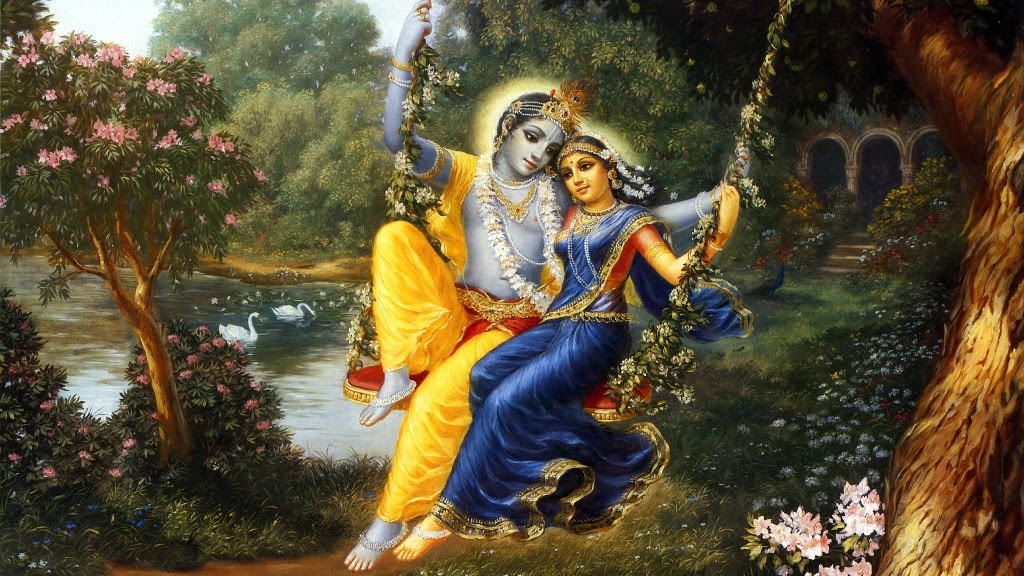
May I love Vṛndāvana , where at the base of a kadamba tree on the cool shore of the Yamuna a dark complexioned, amorous, divine youth dressed in yellow garments plays a flute as He glances at Radha’s lotus face.
vrindavan-3
He who gives up the company of ordinary people, keeps no servants or followers, agitated with a desire to serve Sri Sri Radha-Krsna, constantly sheds tears, his hands placed on his cheeks and lives in Vṛndāvana , is the most fortunate of all persons.
Where do all people automatically and effortlessly obtain pure ecstatic love for Krsna? Where does the Supreme Personality of Godhead manifest His supremely wonderful pastime form? Where is the empire of the bliss of devotional service to Krsna’s lotus feet manifest? O brother, listen I will tell you a secret. All this is present here in Vṛndāvana.
O brother, please reside under the trees of Vrindavan , and from time to time enter the villages to beg alms. Drink as much Yamuna water as you like. Dress in some rejected pieces of cloth. Consider others’ praise of you the most bitter poison, and their disrespect sweet as nectar. Serve Sri Sri Radha-Muralidhara, and never leave this land of Vrindavan.
vrindavan-4
Vrindavan is wonderful. The two sweet fair and dark splendors named Radha and Krsna are wonderful. Pure love for Their lotus feet is wonderful. He who has faith in Them and rises to the spiritual world is wonderful. The rare soul who understands these truths is wonderful.
I worship two splendors who are more handsome than millions of Rati-Kamadevas, who have stolen the glory of millions of Laksmi-Narayanas, whose forms are effulgent as gold and sapphires, and who enjoy pastimes in the forest of Vrindavan.
Let us worship the Person more splendid than a blue lotus and sweeter than the nectar handsomeness of all other forms of Godhead, who wanders in a forest filled with nectar from Radha’s feet.
Even glorious Laksmi-devi, who rests on Lord Narayana’s chest, cannot taste the supremely sweet nectar Radha’s maidservants always taste in many ways. O dear friend, please worship Radha in Vrindavan forest.
In Vṛndāvana  forest the trees are called druma because they melt [dru] with love for Krsna and they are also called taru because they shield [tarana] Krsna from the blazing sunshine [tarana]. The vines are called vratati because they have taken a firm vow [vrata] to serve Krsna. The deer are called krsnasara because Krsna is their life and soul [sara], and they are also called mrga because they always search [mrg] for Krsna’s footprints.
Anointing your entire body with the dust from the feet of the residents of Sri Vṛndāvana , seeing Sri Vṛndāvana  as the supreme effulgent transcendental realm, and meditating on the fact that Sri Sri Radha and Krsna are always charmed by the sweetness of Sri Vṛndāvana , please reside in this transcendental abode, Sridhama Vṛndāvana.
yamuna-vrindavan
How can a person who has never seen Vrindavan’s Yamuna river, which is filled with eternally blooming indivara, kamala, kahlara, kumuda, and other lotus flowers, all filled with the sweet humming sounds of bumblebees, and which displays the places where Sri Sri Radha-Muralidhara and Their friends enjoyed transcendental pastimes, remain alive?

by Giriraj dasa